Tuesday, December 28, 2021


01/12/2021 

1.        1. Description of the class

Several groups of students carried out several activities, addressint two different themes: Listen and do and Speaking more freely.

  • Listen and do: we used total physical response.
  • Speaking more freely: we used balloons

2.      2. Describe what you learn in the class

   In activities related to listen and do we did several things:

  •     The first one. We had to imitate animals (lion, snake or a monkey) depending on the color of the student´s clothes (people with: white colors are lions,  black colors are snakes, other colors are monkeys)
  •     The second one. We had to do actions depending on a listening video (we danced, washed the dishes, vacuumed the floor and organized the bedroom.
  •       The third one. We played to Simon says. When we listened to simon says do judo, we had to represent the action, but if you didn´t listen it, would not have to do it.

In activities related to Speaking more freely we did several things:

  •       The first one. In a circle, we had to pass the ball to your right partner and when music stopped you had to answer a question by the teacher.
  •     The second one. In pairs, you had to draw while you pay attention to the instructions of your partner. (In other words, one partner had a picture and the other one had to follow the instructions in order to obtein a similiar image)
  •     The third thing. In groups, we had to describe a place where we want to go on holidays.

3.        3. Opinion about the class.

I have found this class very useful to learn about resouces, methods and materials that we can bring to the classroom.

02/12/2021

1.       1. Description of the class

Several groups of students carried out several activities, addressing two different themes: Speaking with support and Reading in English.

Speaking with support: find your partner (using animals), so ypu have to make questions to other classmate to find your partner.

Reading in English: It can be extensive or intensive. Reading skills: Skimming (the general idea) or scanning (looking for specific information). We had to put in order the poem. When you read you have to answer the film

2.      2. Describe what you learn in the class

In activities related to Speaking with support we did several things:

  • The first one “the game of dominoes”. Each couple was given a card with two potos of clothing ítems. We had to find our partner through questions (Ex.: Is it brown?) If the other pair had our same image we had to join to them and so on until we form a chain.
  • The second one. We listened a son, so we had to sing and do the actions that we could saw in the video.
  • The third one. We had the same as the first thing that I have explained before, but the only different was that each person had a card with the name of an animal, so each one had to find his or her partner. Then, in pairs we imitated the animals that we had.

In activities related to Reading in English we did several things:

  • The first one. We learnt that the action of Reading can be extensive or intensive and we can develop two different skills: scanning (when you look to specific information) or skimming (the general idea).
  • The second thing. We had to put in order several parts of a text (poems, essays or letters).
  • The third thing. We read a paragraph that corresponded to a Disney film and we had to act it out in the classroom.

3.        3. Opinion about the class.

I have found this class very useful to learn about resouces, methods and materials that we can bring to the classroom

09/12/2021

1.       1. Description of the class

Several groups of students carried out several activities, addressing two different themes: Teaching young learners and writing.

2.      2. Describe what you learn in the class

When teachers teach young learners they have to take into account the following considerations

  •  Routine activities. This is important for children because they need to have some habits.
  • Storyjumper activities are good for young people to practise speaking or listening activities. Teacher can use this tool using Total Physical Response.
  •  Description about yourself coul be a really motivating activity to introduce young learners to the rest of the class.

In activities related to writing we did several things:

  • We parctised Christmas vocabulary using some potos.
  • We listened a song (“All I want for Christmas is you”- Maria Carey) and completed the gaps.
  •  We wrote a letter for Santa Klaus.
  • We made an story using dices with different images.

3.      3. Opinion about the class.

I have found this class very useful to learn some resouces, methods and materials that can encourage the learning process  in the classroom.

16/12/2021

1.      1. Description of the class

Several groups of students carried out several activities, addressing two different themes: Reading and telling stories and festivals (Christmas)

2.     2. Describe what you learn in the class

In activities related to Reading and telling stories we did several things:

  •  First, they told us a story to catch the attention of the class.
  • Second, they explained theory and strategies of reading and telling stories in class. So, they said that is important the use of pictures, sounds, checking questions, bland background, gestures and retelling stories. Doing all the previously mentioned, the sutdents could become more familiar with english landguage and encourage participation.
  •   Finally, we did an activity in which one of the group had t oread a small fragment ant the others had to draw i ton a paper.

In activities related to Festivals we did several things:

  •  We learnt vocabulary about Christmas with activities like songs, completing sentences and telling who I am.
  • Finally, we made a game looking for the couple of images and, also we worked the riddles.

3.     3. Opinion about the class

I have found this class very useful to learn about resouces, methods and materials that we can bring to the classroom


25/11/2021 


1.       Description of the class

The professor introduced us to some techniques to know how to teach English in Primary Education, so we learnt more about teaching children under seven and  between 7 and 12 years old. In addition, we talked about the importance of how to start a lesson because is quite relevant in the process of teaching, so the class need a positive atmosphere, a nice organization, signal the start of the class, use routine activities (songs) and the activation of English. Finally, we learnt about some bulletin boards ideas and how to organise the classroom.

2.       Describe what you learn in the class

I learnt in this class several aspects that I can keep in mind in the furture:

  •     Try to gesticulate when we speak in English with children (use dolls as a translator), especially for children from six to nine years old.
  •       The use of some resources like chants or rythms.
  •      Making theatre with a story.
  •      Students should always learn in a fun way without being aware that they learn.
  •     Introducing words that are similar to spanish language.
  •      Highlight the appropiate behavior of students and involve their families in their teaching process.

3.        Opinion about the class.

In this class I could learn some techniques in order to promote a better teaching in Primary schools, so it is necessary to be aware of the benefits of the previous aspects.

BIBLIOGRAPHY

4 ways to help primary children with language development | Learn English with Cambridge. (s.f.). Obtenido de Youtube: https://www.youtube.com/watch?v=O_EYABDodfk


24/11/2021 

1. Description of the class

The use of technologies in the Primary Education was explained in class, so we learnt more about some online applications such as Storybird, which consists in the creation of a story through the drawings already provided in it. Also, we watched the use of other tecnological tools like Learningapps (Image 1) and genially (image 2) in which we can do games for acquiring learning. Finally, the professor showed us some videos of teaching, Etwinning proyects and other Flipped Classroom´s techniques.

        Image 1 . Learning Apps                                             Image 2 Genially


     2. Describe what you learn in the class

I learnt in this class several aspects that I can keep in mind in the furture:

  • Etwinning is an European proyect. This consists of the registration of a center to be part of a Project in which students from other countries are introduced too, so the main idea is to promote the interaction of different students.
  • One idea to encourage Flipped classroom method is the use of Screencastify: the teacher is recorded live for students to watch whenever they want.
  • The competences developed with children when using the Storybird application are: be aware of what happens in other countries, the importance of higiene, the correct use of technological devices.
  • The use of ICTs are non-objective tools.

    3. Opinion about the class

I consider that it´s important to incorporate this type of resources in class in order to increase the motivation and the learning process in the little students, so the group of teachers have to make an effort to include this kind of exercises.

BIBLIOGRAPHY

(s.f.). Obtenido de Gobierno de Canarias: https://www3.gobiernodecanarias.org/medusa/ecoescuela/recursosdigitales/autoria/learningapps-org/

GENIALLY: LIDERANDO LA NUEVA GENERACIÓN DE CONTENIDOS. (15 de enero de 2021). Obtenido de Innovación y desarrollo docente: https://iddocente.com/genially-liderando-generacion-contenidos/


Tuesday, December 21, 2021


17/11/2021 Some applications that you have to keep in mind

1     1. Description of the class

Some partners explained us the method of Communicative Language Learning (CLL). Also, we learnt about ICT (information and communication technologies) techniques in order to facilitate the educational system. So we watched several videos with ICT application in class (Singapour, Ireland, London).

      2. Describe what you learn in the class

I learnt the following aspects:

  •    The main points in ICT: Learning, through, with, about ICT.
  •    The schools are incorporated new digital resources
  •    New Digital tools for classroom using several online pages (Prezi, Haiku Deck, Scratch, Boomwriter, Glogster, Padlet, StoryJumper, Quizlets)
  •    Symbaloo is a tool in which you can insert the links that you really interest.
Picture. Symbaloo

(YoProfesorTIC, 2014)

  •    A Form is use for assessment, to survey, to do a coevaluation, to check previous knowledge and to use with parents and other teachers.
Picture. Form
(Google Forms, 2019)


      3.  Opinion about the class.

This class was useful to me in order to learn the different uses that we can give to technological devices and the beneficial impact it has on teaching.

18/11/2021 

1.     1. Description of the class

We learnt some pages like Google sites in order to design Portofolio or other projects.

2    2. Describe what you learn in the class

I learnt the following aspects:

  •  Personal Learning Enviroment in which you have to search your own information.
  • The beneficial point that Googlesite promotes in Flipped classroom methodology.
  • We can use  Symbaloo in order to teach to draw or Padlet to design stories.

3.     3. Opinion about the class.

This class was useful to me in order to learn the different uses that we can give to technological devices and the beneficial impact it has on teaching.

Bibliography

YoProfesorTIC. (14 de febrero de 2014). Symbaloo para docentes – una buena opción. Obtenido de Yo Profesor: https://yoprofesor.org/2014/02/14/symbaloo-para-docentes-una-buena-opcion/

Google Forms. (26 de marzo de 2019). Obtenido de Gobierno de Canarias: https://www3.gobiernodecanarias.org/medusa/ecoescuela/recursosdigitales/2019/03/26/google-forms/


Monday, December 20, 2021


10/11/2021 LORMLOE and CEFR


                      Lomloe picture

 (Una nueva ley de educación para una nueva normalidad, 2020)


     1. Description of the class

The professor showed us the basics of lomloe.  We can find here  keys and specific competences that students need to achieve, but also it contemplates the three cycles in Primary Education as we have a few years ago. In addition, we learnt a new concept, CEFR (Common European Framework of Reference) is a document in which we can find the skills and knowledge that require each language level (B1, B2, C1…), so this allow us to know the level of students of a certain language, In addition, it contains Orentations to teach different language.

Finally, the professor introduced us plurilingualism, multilingualism and approach adopted.

2    2. Describe what you learn in the class

I learnt the difference between plurilingualism and multilingualism.

  •          The first one refers to a person who is able to speak different languages (three or more)
  •        The second one refers to the coexistence of several languages within the same social group or territory.

On the other hand, I learnt some about approach adopted: action-orientated. It defines that learners are social agents and the only way to teach them is the action (tasks, activities)

      3. Opinion about the class

Thanks to this class I have learned more about the new law (Lomloe). I think that it is very important show what is current nowadays in order to have a better adaptation in the future.

11/10/2021 CEFR and EPL

                  CEFR picture

(WHAT IS THE COMMON EUROPEAN FRAMEWORK?, s.f.)

    1.  Description of the class

The professor explained more about CEFR, so we learnt about General and Communicative Competences.


General Competences mean those that everybody have.

  •            Having knowledge refers to what you have to learn
  •           Skills and know-how refers to the abilities
  •           Existencial competence refers to individual characteristics, attitudes or personality train.
  •           The ability to learn

Communicative language Competence has tree different components:

  •           Linguistic refers to lexical, phonological, syntactical knowledge
  •            Socialinguistic refers to sociocultural condintions (social rules). For example when we use expression such as “ please “
  •           Pragmatic refers to cohesion, coherence, identification of the text types, irony and parody.

Finally, she taught us more specifically the advantages provided by the Portfolio.

      2. Describe what you learn in the class

I learnt several things:

  •           Pilars of delords: to know, to do, to live and to be
  •           The European Language Protfolio was developed by the Language Policy Programme of the Council of Europe.
  •           Common Reference Level is divided in three descritors: Basic User, Independent User, Proficiency User
  •           In skills we include mediation apart from Listening, Readinig, Spoken interaction, Spoken Pronunciation, Writing.
  •           Euroean Language Portfolio has three components: Passport of languages, Linguistic Biography and the Dossier. It consists in the collection of tasks of each student that consider interesting and motivating in order to study more languages.
  •          The importance of contextualized tasks in class.

3    3. Opinion about the class.

I think the introduction of the Portfolio in the classroom is a good way to motivate students. For this reason, the class was very hepful to learn new strategies so that children are curious to learn other languages, or simply to keep their attetion on any subject.


BIBLIOGRAPHY

Una nueva ley de educación para una nueva normalidad. (22 de noviembre de 2020). Obtenido de Revista de Prensa: https://www.almendron.com/tribuna/una-nueva-ley-de-educacion-para-una-nueva-normalidad/

WHAT IS THE COMMON EUROPEAN FRAMEWORK? (s.f.). Obtenido de ginseng: https://ginsengenglish.com/blog/cefr


Friday, November 26, 2021


03/11/2021 Methods

1.      1. Description of the class

In this class we differentiated some concepts such as learning, aquisition, mother tongue, second and forign language, competence and performance. Then, some partners presented a video showing one type of methodology.

2.     2. Describe what you learn in the class

The professor explained us what is the meaning of the following words:

  •   Learning refers to be conscious of the grammar and rules about a language
  •  Aquisition refers to the “natural” of picking up a language.
  •    Mother Tongue refers to the first language that you learnt when you were a child.
  • Second language refers to the necessity of acquiring a language of another language (For example: If you live in Mallorca, your second language will be “mallorquí”)
  •  Foreign language refers to the language that you learn in school (For example: English)
  •  Competence refers to the capacity you´ve go.
  • Performance refers to the action.
On the other hand, we learnt the aplication in class of several methods: Grammar Translation Method, CLIL, Suggestopedia, Audiolingual and Direct Method.

3.     3.  Opinion about the class

This class was useful to learn about some methods, so I think that if you wacth a video in which shows a particular method you can understand more easily the main idea of each one because it allows you to visualize the action that takes place in the classroom.

                                                  04/11/2021 More methods

1.    1. Description of the class

We continued in the class with the videos´ presentations of different types of methods.

2.  2. Describe what you learn in the class

We learnt the following methods:

  • TPR (Total Physical Response) is based on the movements
  • Silent way is a strange method which consists of the teacher silently presenting the class so that the students can speak according to the teacher´s instructions.
  • Communicated Language Teaching is based on activities that promote communication.
  • Content based, Task Based and Participatory Approaches is for higher levels (for example: 6th of Primary Education) and the students have to do different tasks in class ( for instance: join or complete exercises)
  •  Learning Strategy Training is based on students helping each other to improve their learning process.

3.  3. Opinion about the class

Like the previous one, this was useful to learn about some methods.


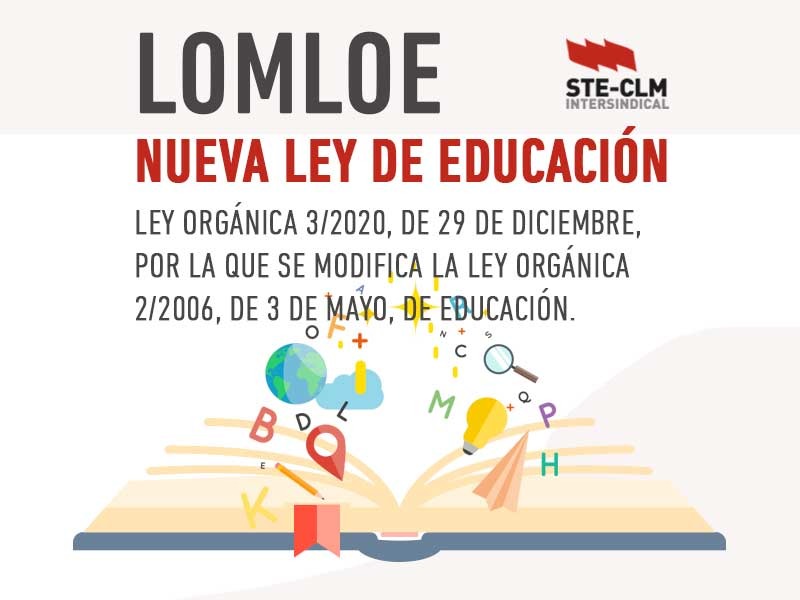
28/10/2021 LOMLOE

Picture. LOMLOE


(LOMLOE: Hoy se aprueba la nueva Ley de Educación, s.f.)


1. Description of the class

In this class we saw a draft of the Lomloe, based on competencies, what students should know how to do. In this law, specific competences (communication, multilingualism and multiculturalism) are evaluated by different cycles, so that learning situations are encouraged, thus promoting global tasks that relate the different areas (workshops)

2.     2. Describe what you learn in the class

I have learned with the Lomloe a new approach of evaluating the knowledge of students since, it gives more importance to the development of Knowledge, skills and attitudes in order to train more competent people in the future. Therefore, this approach focuses more on valuing Know-how to do than memorization.

3.     3.   Opinion about the class

I have found the class interesting, as we have learned a Little more about the new curriculum. In this way, I consider that before making changes in the educational system, teachers recieve sufficient training to be able to address it, carrying out a more efficient education.

Bibliography

LOMLOE: Hoy se aprueba la nueva Ley de Educación. (s.f.). Obtenido de STE-CLM INTERSINDICAL: https://ste-clm.com/lomloe-manana-se-aprueba-la-nueva-ley-de-educacion/

  01/12/2021  1.         1.  Description of the class Several groups of students carried out several activities, addressint two differen...